
Learn about Australian brumbies, their history, cultural significance, and role in rural landscapes today.
Brumbies - Australia’s Wild Horses
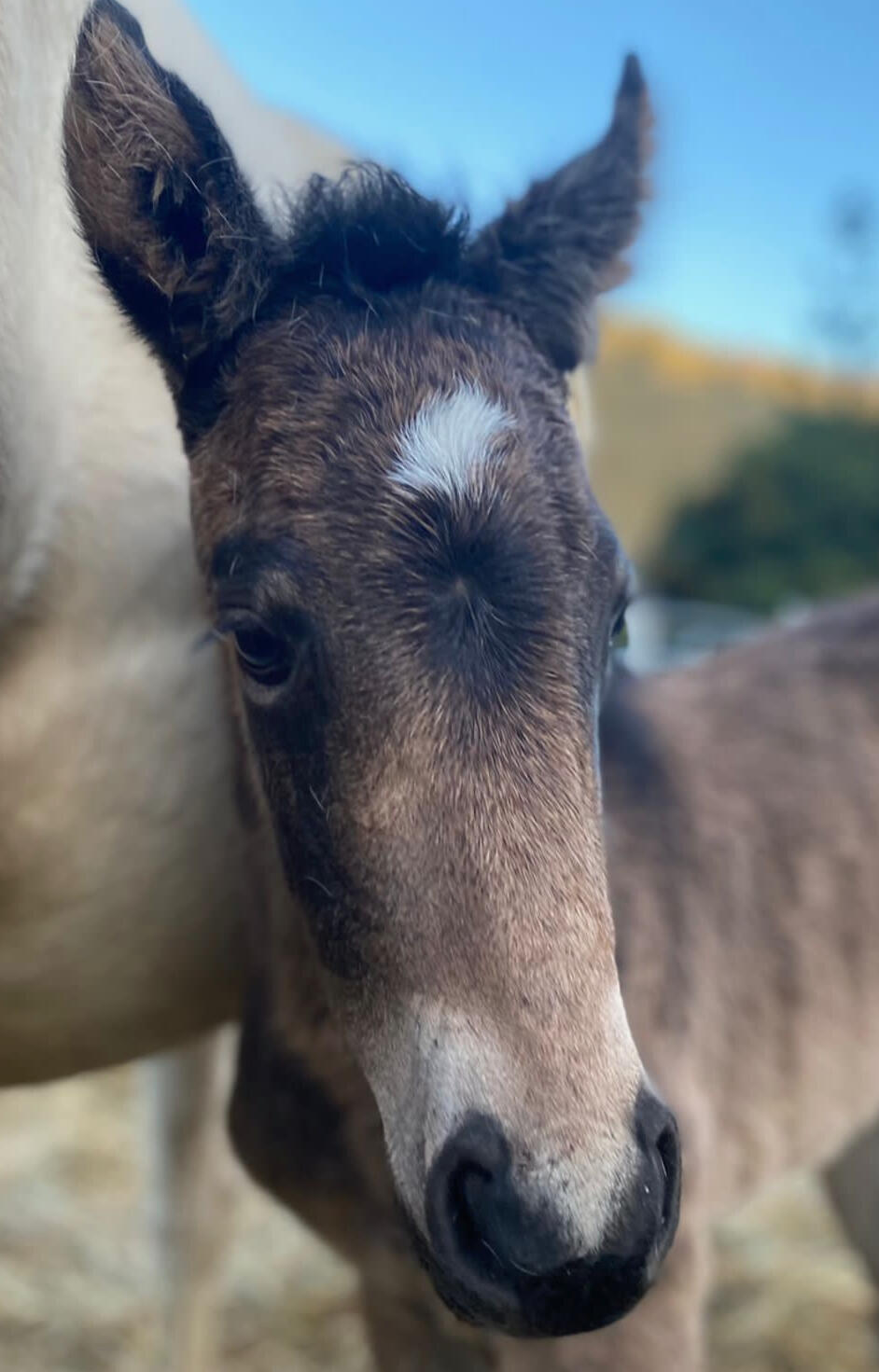
Brumbies are free-roaming horses that inhabit parts of the Australian landscape, particularly in rural, remote, and semi-remote regions. They are descended from domestic horses introduced during early European settlement, including animals that escaped, were released, or were intentionally turned loose as farming and transport practices changed over time. Through this history, brumbies have adapted to a wide range of Australian environments and climates.Over generations, brumbies have become a distinctive part of Australia’s rural and cultural history. They are often associated with the Australian bush and pastoral regions and feature prominently in discussions about land use, environmental management, conservation, and heritage. Their presence has contributed to ongoing conversations about how introduced animals fit within modern Australian landscapes.Brumbies are closely linked to Australia’s long relationship with horses, particularly in working rural environments such as farming, stock work, and transport prior to mechanisation. Beyond their practical role, horses — including brumbies — have also played an enduring part in Australian literature, art, and storytelling, where they are commonly used to represent themes such as resilience, independence, and life in remote areas.This site provides general, educational information about brumbies and Australian horses. The content is intended to be factual, neutral, and descriptive, offering background context rather than advocacy. Information presented here aims to support general understanding of brumbies, their history, and their place within Australia’s natural and cultural landscape.
About
brumby.com.au is operated by DNC Pty Ltd, an Australian company.
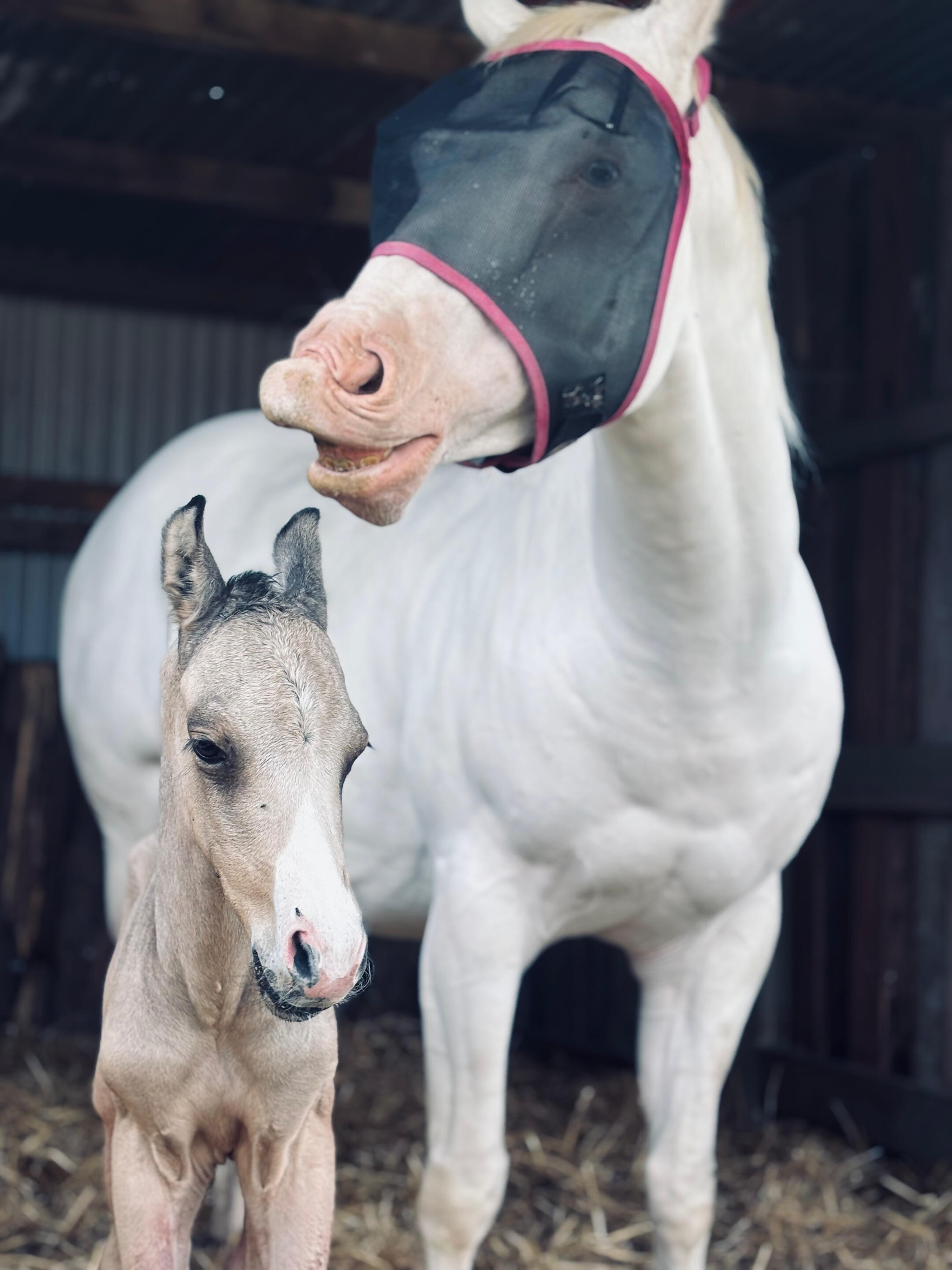
The site is informed by the operators’ ongoing involvement with horses on their horse stud, a private horse-breeding property located in New South Wales. Horses are trained, traded, bred and raised on the property as part of long-term rural land use and equine husbandry, which provides practical context for the material presented here.
This stud is a private rural property and does not operate as a separate public business or under its own ABN. Its relevance to this site is as a source of real-world experience with horses and rural land management.
Heritage
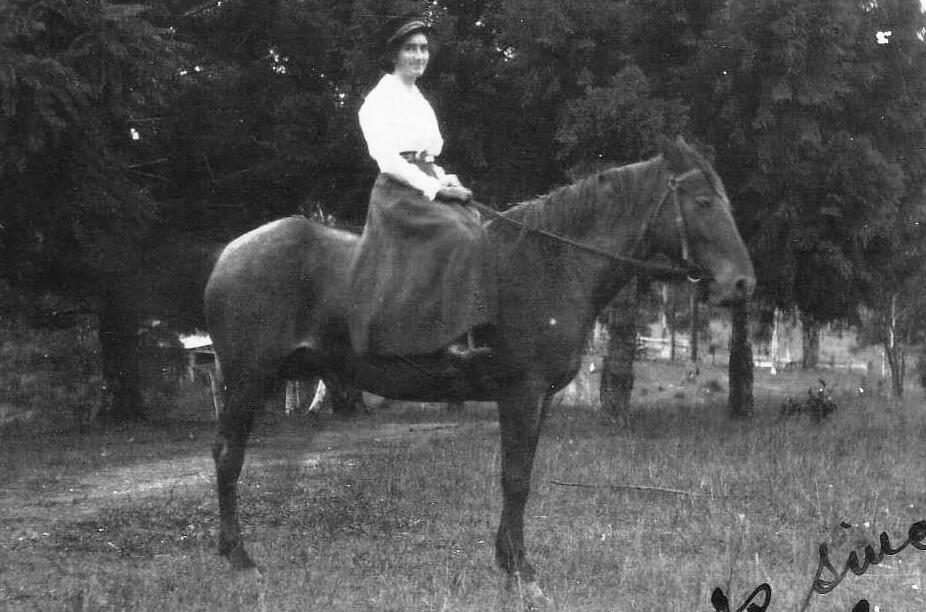
Brumbies form part of Australia’s rural heritage, with their origins tracing back to horses brought to the continent during early European settlement. These horses were initially introduced for practical purposes such as transport, farming, stock work, and exploration. Over time, some animals escaped confinement or were deliberately released as technology, infrastructure, and land use patterns changed, leading to the establishment of free-roaming horse populations.As settlement expanded inland, horses became essential to life in remote and mountainous regions, particularly in areas where rugged terrain limited access by other means. In these environments, free-roaming horse populations gradually became established, especially in regions that had previously supported pastoral activity, mining, or exploratory travel. The presence of brumbies in such landscapes reflects historical patterns of land use rather than a single point of origin.References to brumbies appear throughout Australian bush history, literature, and historical records, highlighting the broader role horses played in shaping rural life. Horses were integral to transport networks, agricultural work, and the movement of people and goods across large distances before the widespread adoption of mechanised alternatives. These historical associations contribute to the way brumbies are viewed today within the context of Australia’s rural past.In the present day, brumbies remain part of ongoing discussions about how historical rural practices intersect with modern conservation objectives and land management approaches. Their continued presence in certain regions raises questions about balancing heritage, environmental considerations, and contemporary land use priorities, making brumbies a continuing point of reference in conversations about Australia’s rural history and landscape management.
Brumbies and land management
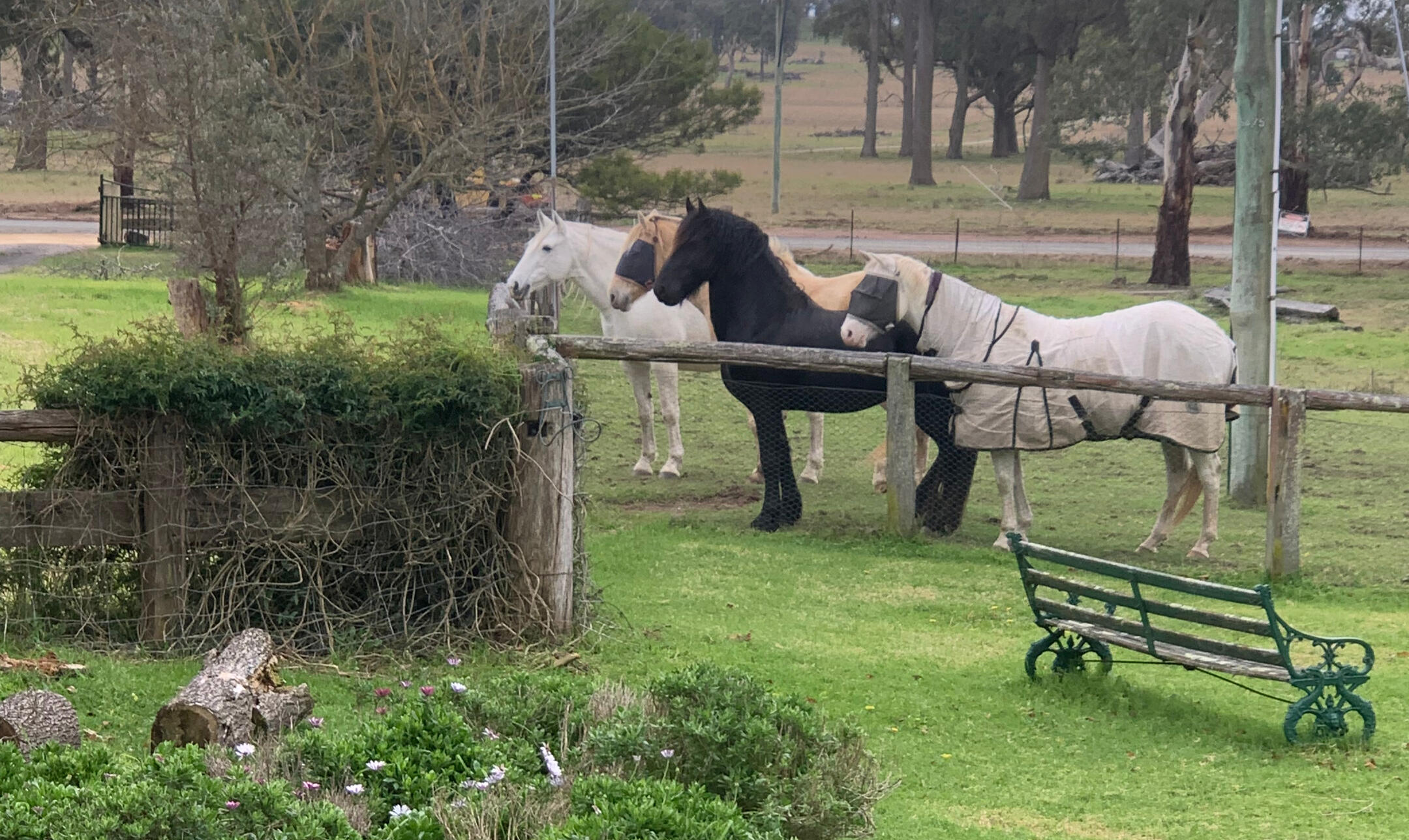
Management of brumby populations remains an ongoing topic of discussion in Australia, particularly in national parks, alpine regions, and grazing areas where free-roaming horses interact with native ecosystems, livestock operations, and shared water resources. These interactions can influence vegetation, soil condition, waterways, and land use patterns, which is why brumbies are frequently considered within broader land management planning.Approaches to managing brumby populations vary between regions and jurisdictions, reflecting differences in landscape type, environmental sensitivity, land use priorities, and community expectations. Management strategies may include population monitoring, relocation or rehoming programs, fertility control initiatives, exclusion fencing, or other measures designed to manage horse numbers and movement. The selection of approaches often depends on local conditions and available resources.Discussions surrounding brumbies commonly seek to balance multiple considerations, including environmental protection, agricultural activity, cultural heritage values, and animal welfare perspectives. As a result, brumby management is rarely viewed in isolation and is instead part of wider conversations about introduced species, conservation objectives, and sustainable land use.Understanding how horses interact with landscapes and rural environments is an important component of contemporary land management conversations across Australia. Ongoing research, monitoring, and policy development contribute to evolving approaches, with the aim of supporting informed decision-making that reflects both environmental and social considerations.
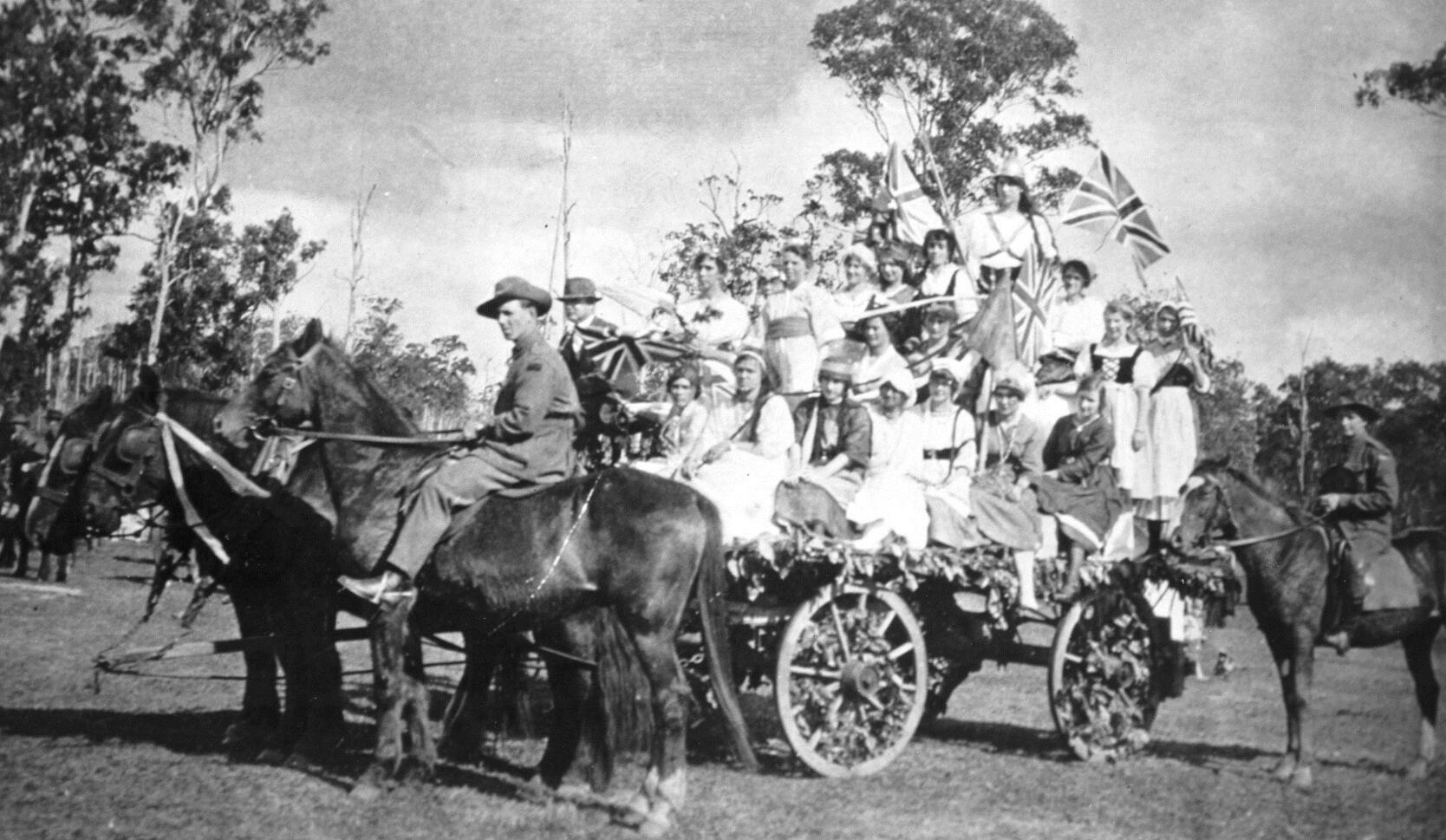
The Heritage & Symbolism
Beyond their historical origins, brumbies have come to symbolise ideas such as freedom, resilience, and the rugged independence often associated with Australia’s bush communities. These symbolic associations have developed over time through the way horses have been represented in rural history and cultural expression, particularly in relation to life in remote and challenging environments.Brumbies frequently appear in Australian stories, visual art, and film, where they are used to evoke themes of isolation, self-reliance, and the close relationship between people, animals, and the land. In these contexts, brumbies are often portrayed as part of the broader landscape, reflecting both the physical conditions of rural Australia and the cultural narratives that have grown around them. Such representations contribute to the way brumbies are understood beyond their practical or ecological significance.While opinions differ regarding the role of brumbies in contemporary land management and conservation discussions, their symbolic meaning remains significant for many Australians. For some, brumbies represent continuity with earlier periods of pastoral life and exploration, as well as broader ideas of endurance and adaptation. These symbolic interpretations continue to shape public conversations about brumbies, particularly where history, culture, and landscape intersect.
Contact Us
Thank You
We'll get back to you soon.